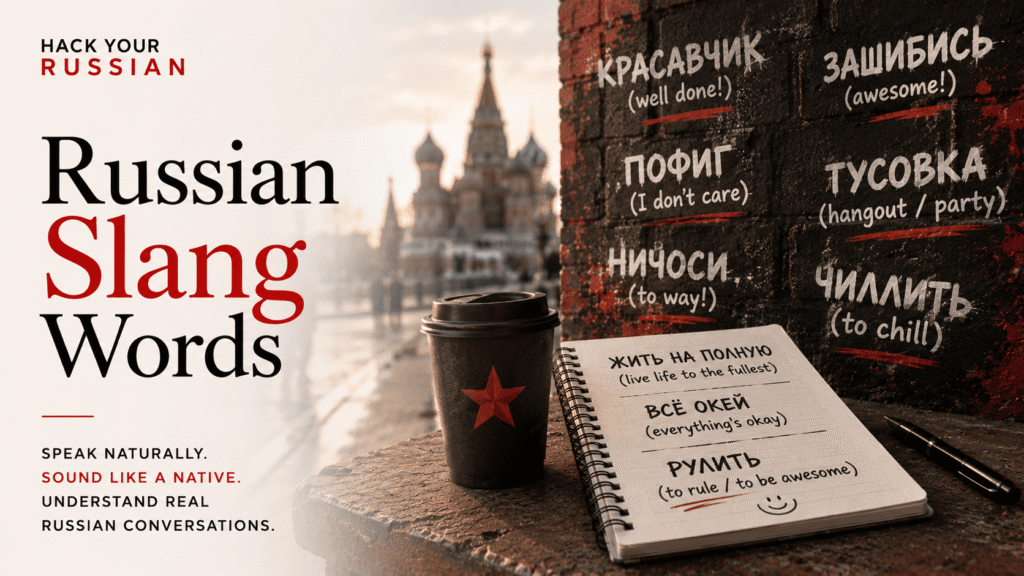
There are a lot of slang words in Russian language. Some of these slang words can be really rude and should be avoid to be used. But there are also some really common Russian slang words that you should definitely learn if you want to understand Russian natives, watch modern Russian movies and TV-series. Slang is also one of the reasons why learners struggle with Russian movies and TV series, because native speakers often use short, emotional and informal phrases instead of textbook Russian.You may even hear Russian slang words in popular songs nowadays. In other words, even if you don’t want to spoil your Russian with slang words, you will anyway hear them everywhere. And in fact some Russian slang words were already used in the time of USSR.
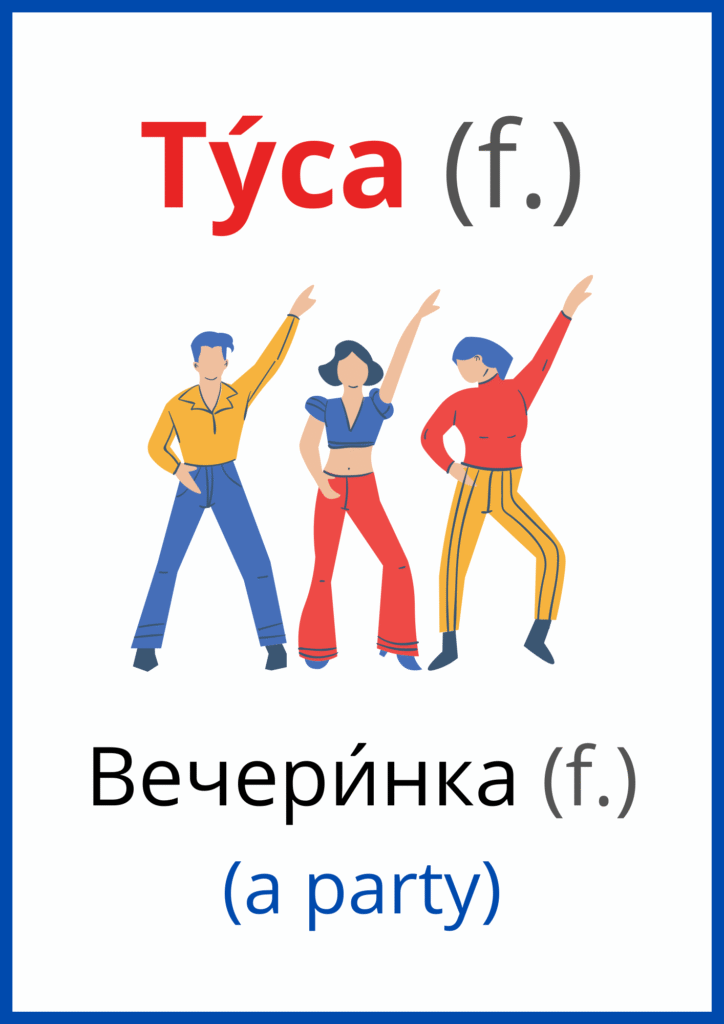
If you have only learned Russian from classic textbooks, encountering native speakers in real life can be a true challenge. In informal settings, Russians rarely use dictionary-perfect vocabulary, preferring expressive, shortened, and emotional slang. This article will help you navigate the most popular spoken words and feel confident at any local туса (party)
Table of Contents
Why Russian Slang Is Important for Learners
Russian slang is not just a collection of “cool words”. It is a big part of real spoken Russian. Native speakers use slang when they talk to friends, write messages, comment on social media, watch memes, discuss movies, or react emotionally to everyday situations.
That is why Russian learners often feel confused when they move from textbooks to real conversations. In a textbook, you may see neutral phrases like очень хорошо — “very good”, but in real life Russians may say круто́, классно, кайф, or even вообще огонь depending on the situation. If you want to hear these words in real context, check my guide to Russian movies and TV-series with subtitles.
Learning Russian slang helps you:
- understand native speakers in casual conversations;
- follow Russian movies, TV-series, YouTube videos and songs;
- sound more natural when speaking with friends;
- recognize when a word is informal, rude, funny or old-fashioned;
- avoid awkward situations by knowing which words you should not use in formal contexts.
However, it is important to remember that slang is not always appropriate. Some Russian slang words are friendly and harmless, while others can sound rude, childish, vulgar, or even offensive. So before using a slang word yourself, always pay attention to the context, the relationship between speakers, and the situation.
Common Russian slang words
How to Use Russian Slang Correctly
Before we look at common Russian slang words, let’s talk about how to use them safely. Slang can make your Russian sound more natural, but it can also make you sound too informal if you use it in the wrong situation.
In general, you can use slang with:
- close friends;
- people your age;
- online conversations;
- casual messages;
- informal situations;
- jokes and memes.
You should avoid slang in:
- official emails;
- job interviews;
- conversations with teachers or older people you do not know well;
- formal meetings;
- business communication;
- exams, unless the task is about spoken Russian.
For example, приве́т is a normal informal way to say “hi”, but здаро́ва is much more casual and can sound too familiar. The same goes for words like чува́к — “dude”, прико́л — “funny thing / joke”, or фигня́ — “nonsense / rubbish”. They are common, but they are not suitable everywhere.
A good rule is this: first learn to recognize slang, then start using it carefully with people you know well.
If you are not sure whether you should speak formally or informally, read my guide about Ты and Вы in Russian.
You can also learn how to address people in Russian correctly before using very informal expressions.
25 common Russian slang words
You may also like my lesson on what давай means in Russian, because this tiny word appears everywhere in real conversations and can mean much more than just “give.”
Russian Slang for People
Some slang words are used to describe people in a casual way.
Чува́к means “dude” or “guy”. It is very informal and usually used between young people or friends.
Example:
Э́тот чува́к о́чень смешно́й.
This dude is very funny.
Тёлка is a very informal and often disrespectful word for a girl or woman. You may hear it in movies or songs, but I do not recommend using it.
Example:
Там была́ кака́я-то тёлка. There was some chick there.
Паца́н means “boy”, “guy” or “lad”. It can sound friendly, street-style, or a bit rough depending on the context.
Example:
Он норма́льный паца́н. He is a good guy.
These words are useful to understand, but be careful when using them. Some of them can sound too familiar or disrespectful.
Basic Vocabulary: Things, Money, and Everyday Life
In everyday communication, long literary words are frequently replaced by short, punchy equivalents:
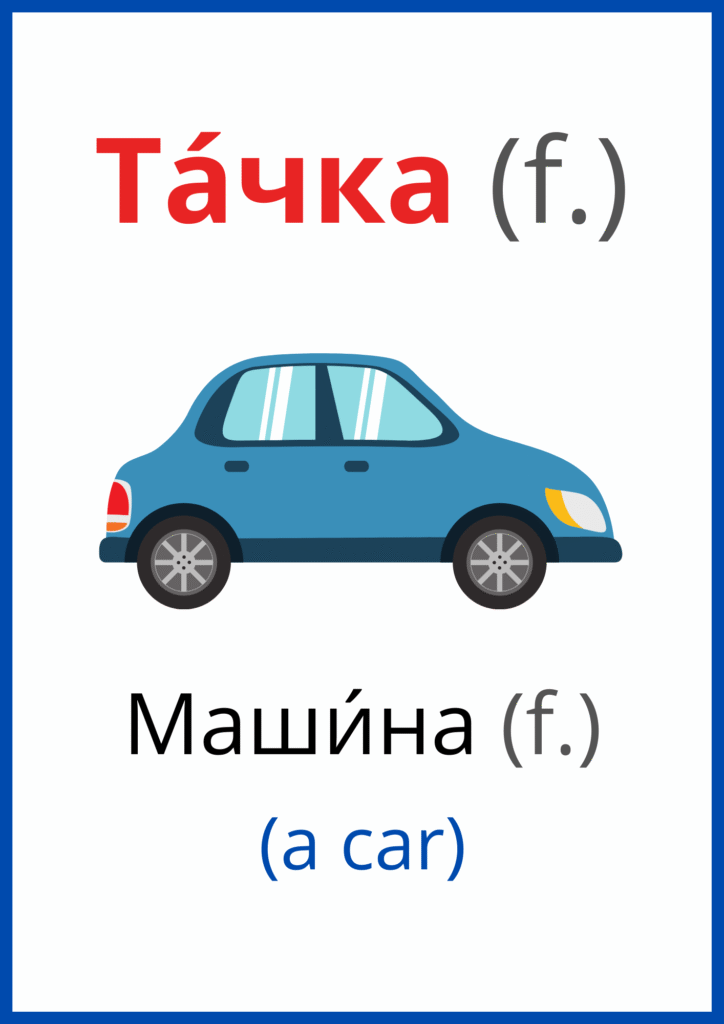
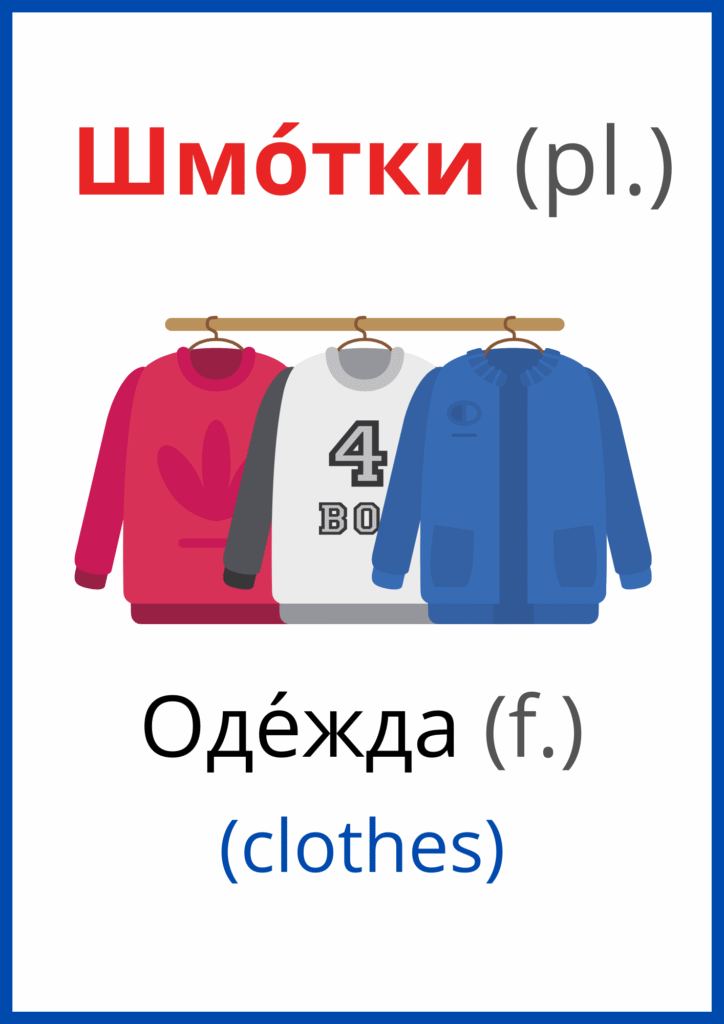
- Transport and Clothes: Instead of the standard word for car, native speakers often say тачка. When talking about clothes, you will hear the words шмотки or тряпки.
- Money: The classic word for money is replaced by the slang бабки. If someone asks you to lend them a thousand rubles, they will likely ask for a косарь. However, be careful with the phrase разводить на бабки, which means to scam someone out of their money. By the way, many Russian words change meaning depending on context, so you may also like my lesson about Russian words with several meanings.
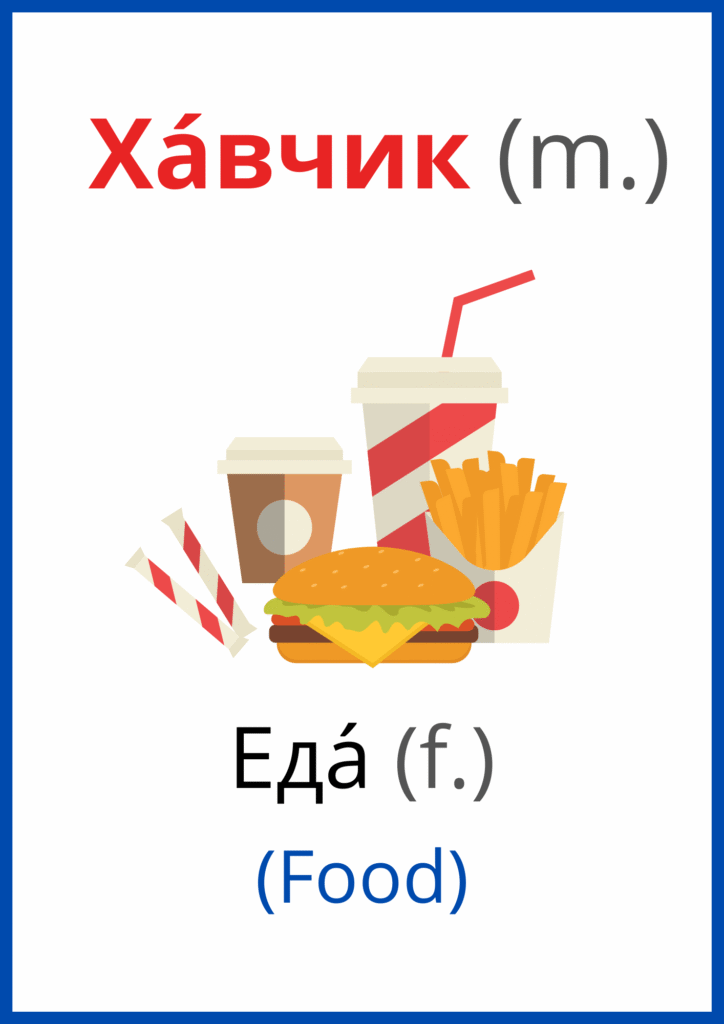
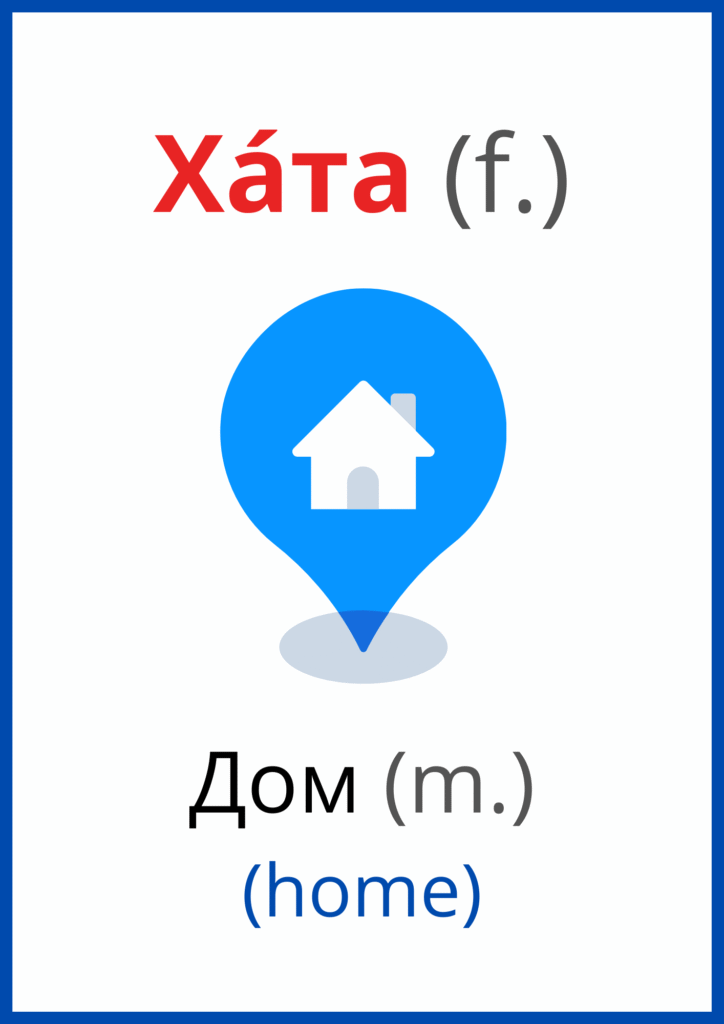
- Home and Food: Your apartment or house is called a хата, and food or a quick bite is known as хавчик.
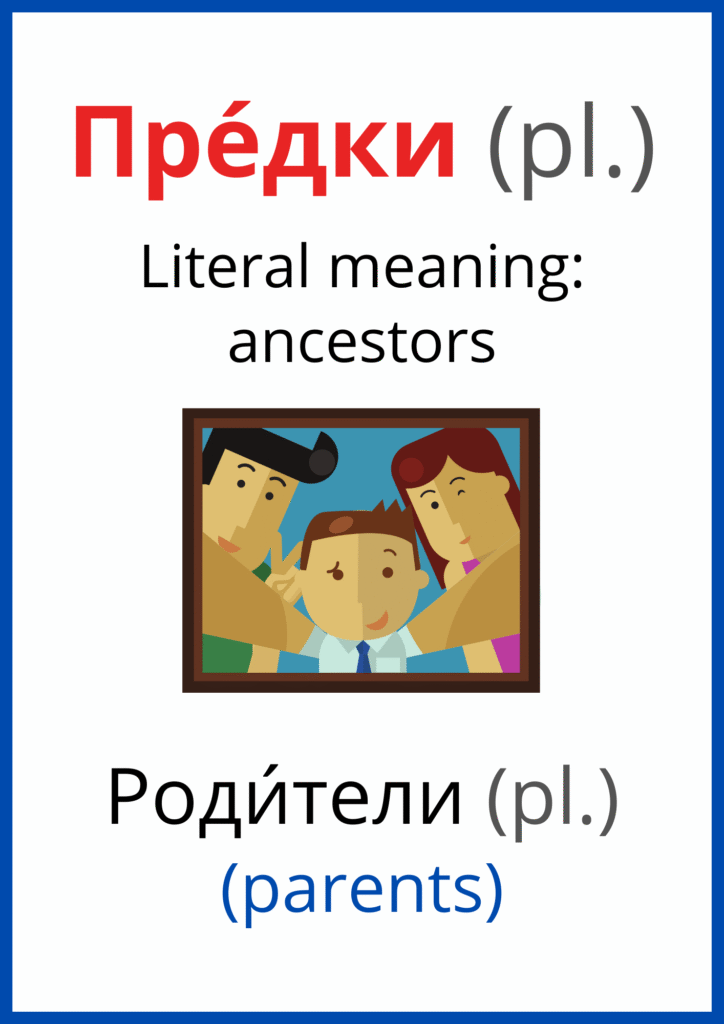
- People: Teenagers and young adults often refer to their parents as предки or родаки.
Technology, Studies, and Entertainment
The worlds of technology and the internet are major sources of informal abbreviations:
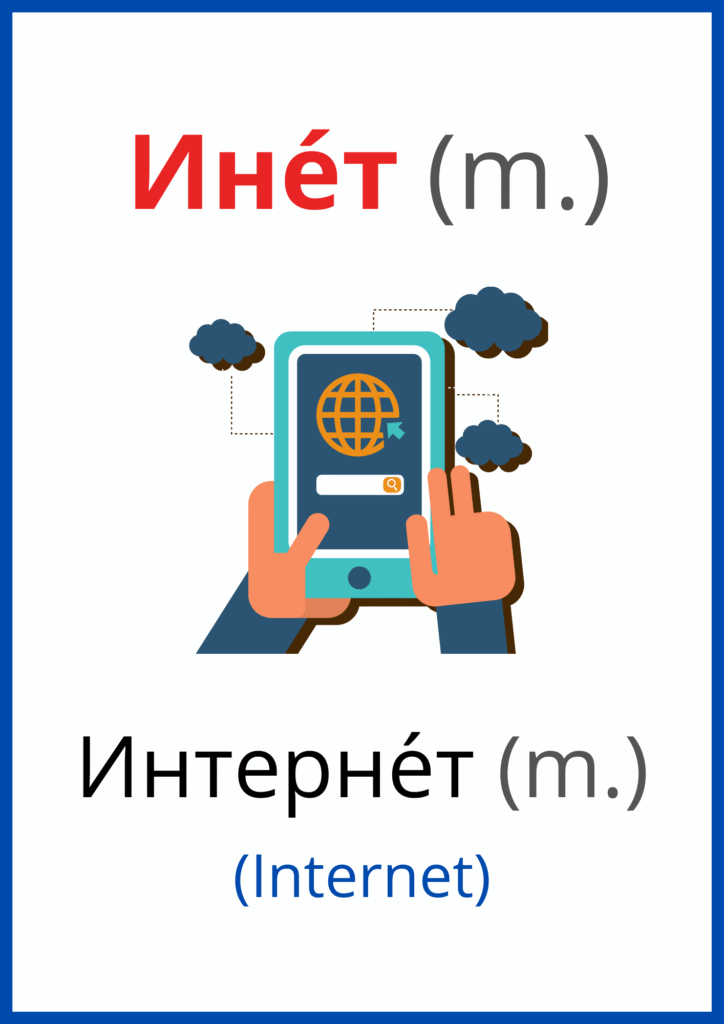
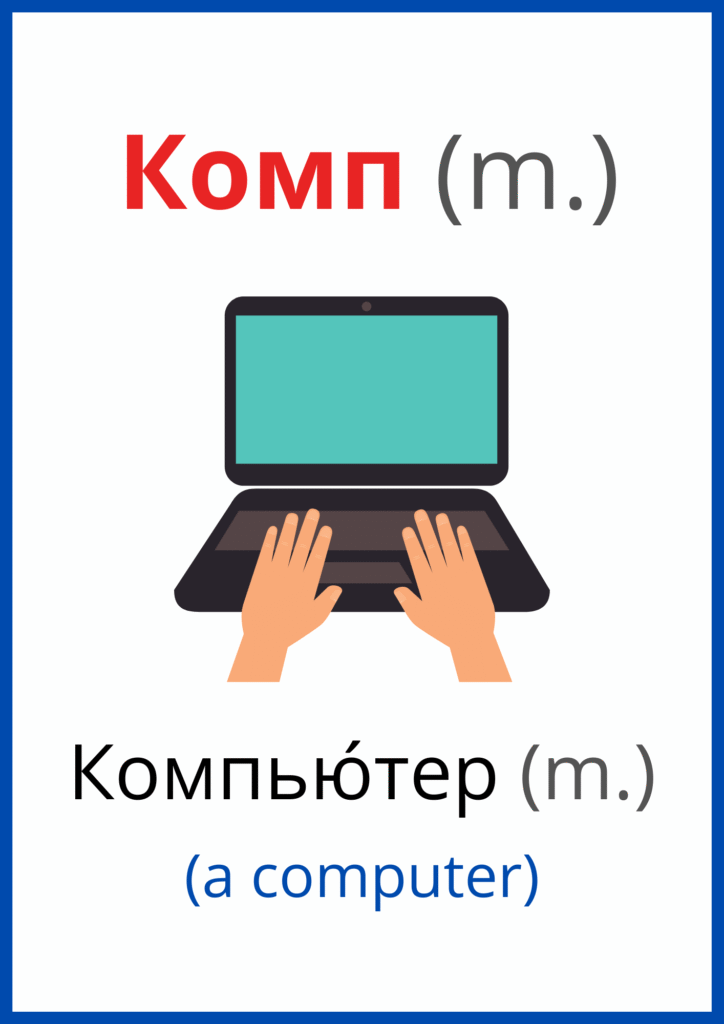
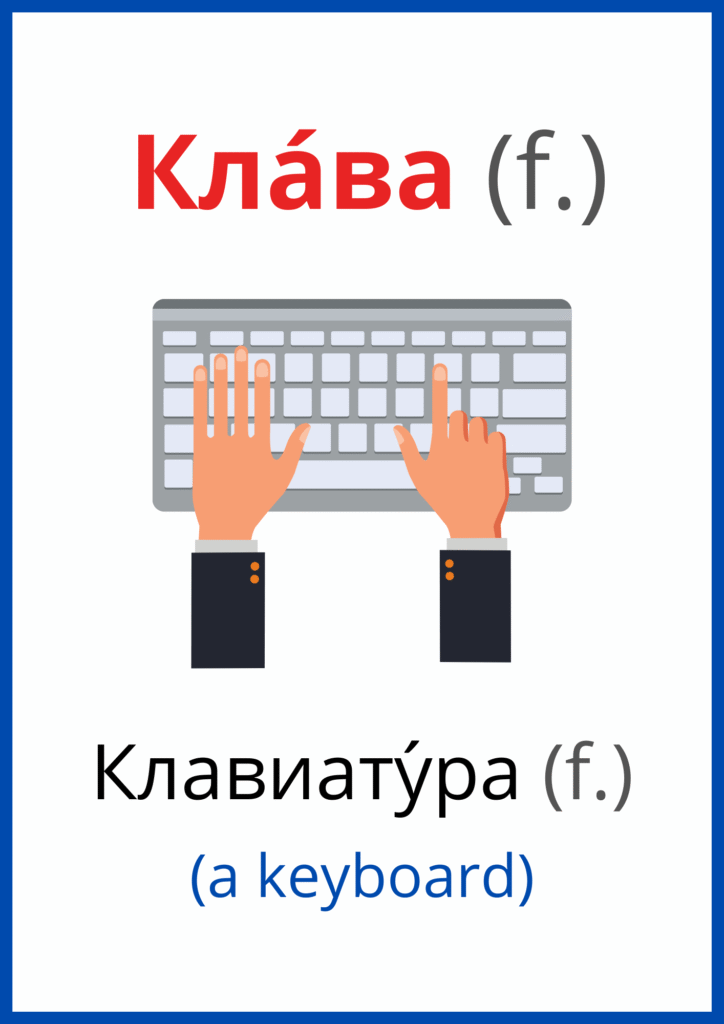
- Instead of standard terms, you surf the инет (internet), type on a клава (keyboard), and watch everything on your комп (computer).
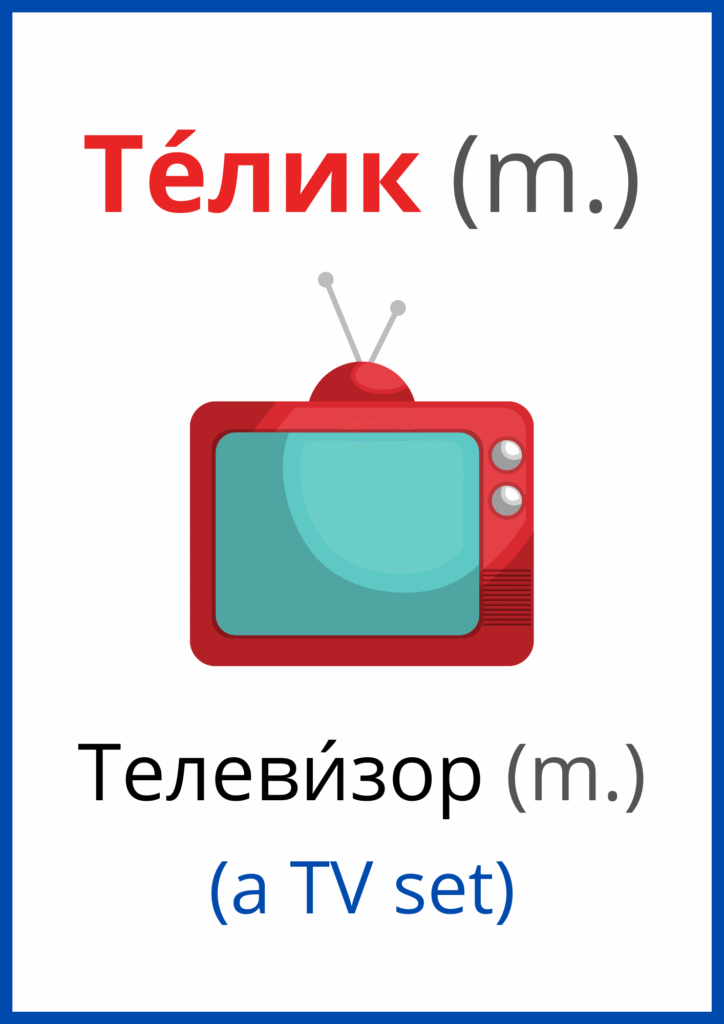
- If you still enjoy traditional television, you are watching the телек or the ящик.
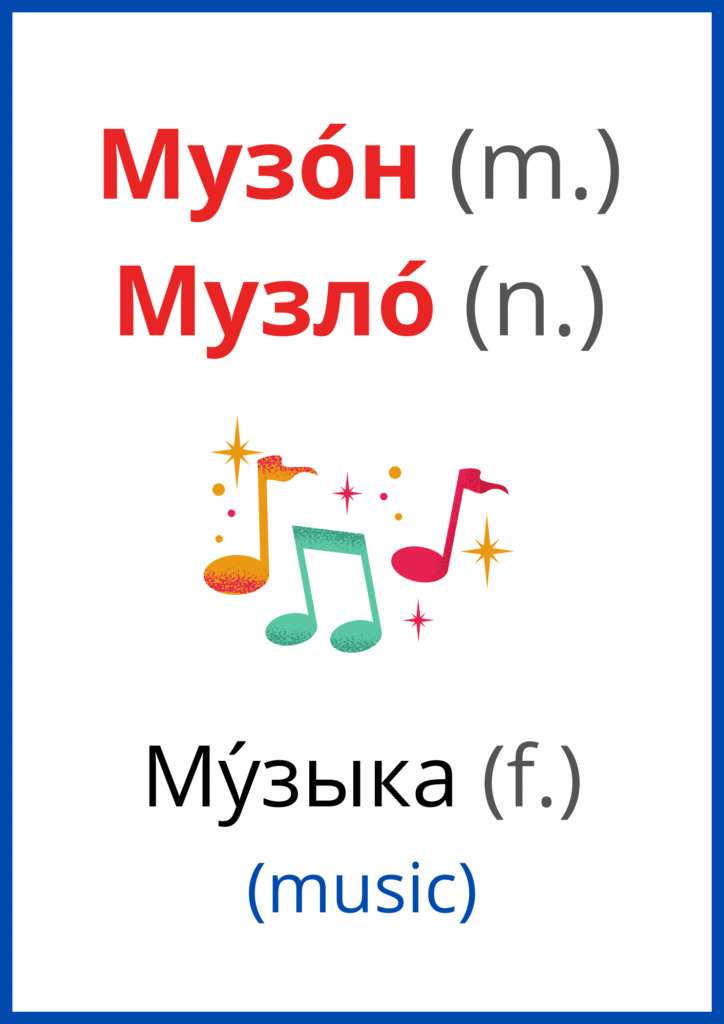
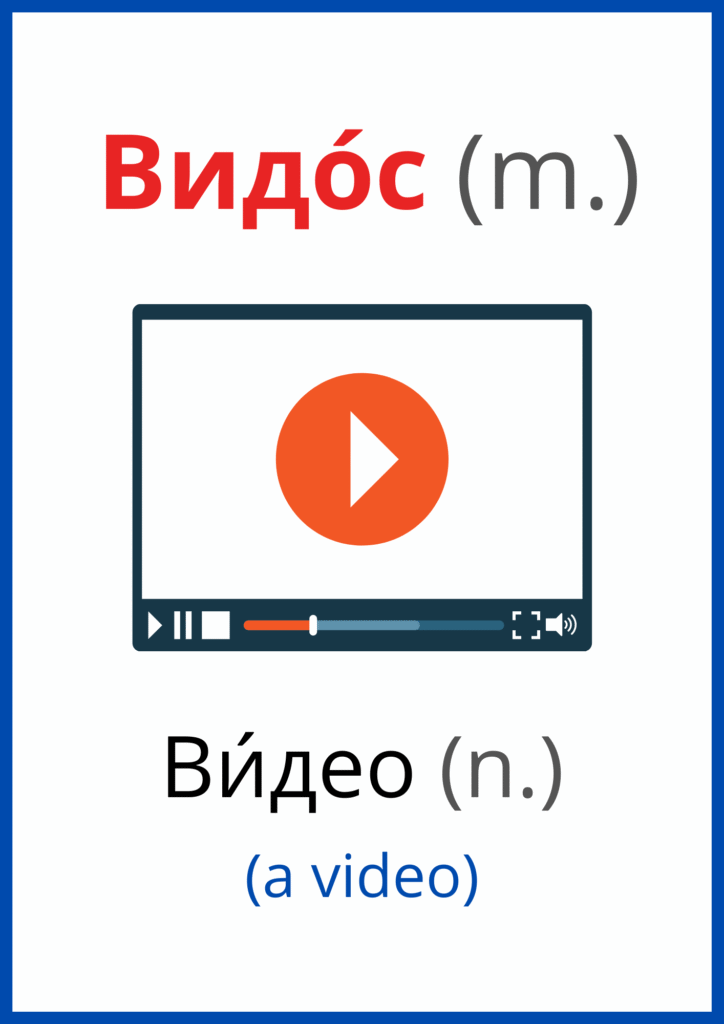
- Modern digital content is referred to as a видос (video), and music is called музон or музло.
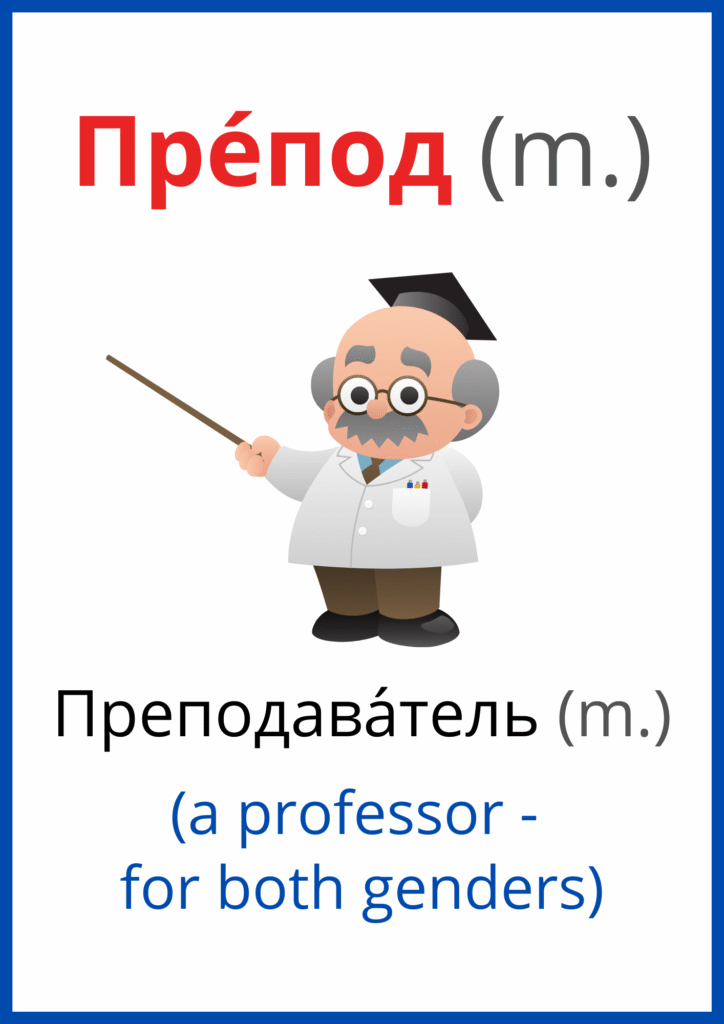
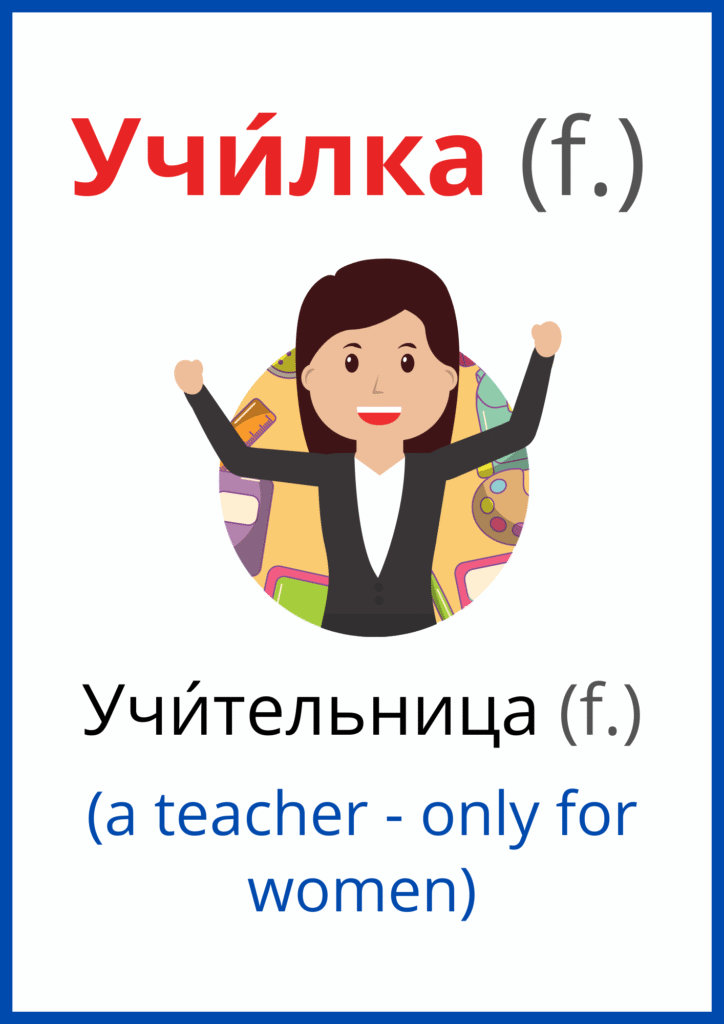
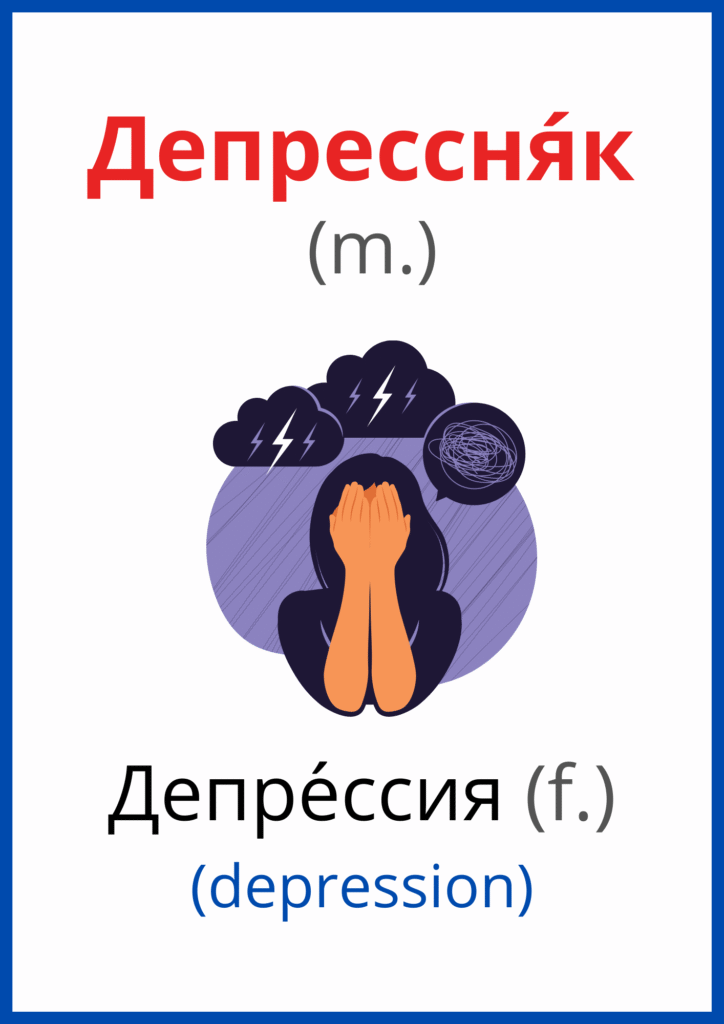
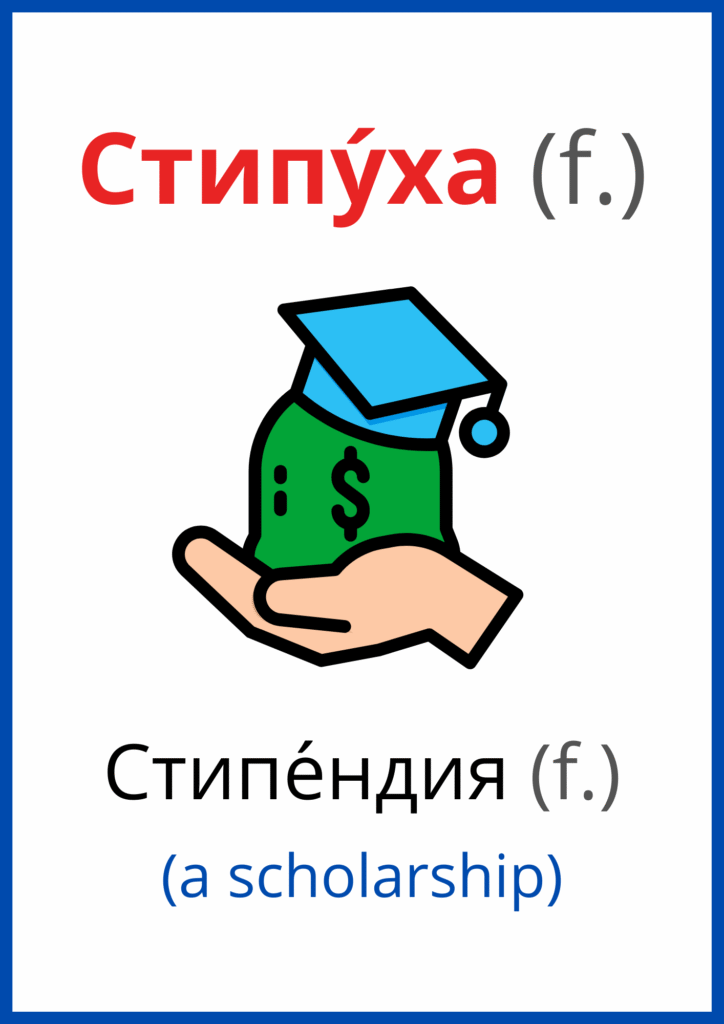
- Student slang is equally rich: a university teacher is a препод (while a female school teacher is often an училка), and a scholarship is called a стипуха. If you are feeling down from all the studying, you might be experiencing a депресняк (depression).
Emotions, Reactions, and Communication
Spoken Russian is incredibly emotional. To properly express surprise, irony, or agreement, use these words:
- Surprise: To draw attention to unbelievable news, start your sentence with Прикинь! (Imagine that!). If the news is truly shocking, you can warn your listener by saying «Ты офигеешь» (You will be blown away).
- Humor and Jokes: A funny situation, a joke, or a surprising event is called a прикол. Doing something just for fun is doing it по приколу or для прикола. When people are making fun of you or teasing you, they are прикалываться or стебаться.
- Laughter and Smiles: To laugh loudly in slang is to ржать (literally, to neigh like a horse). If someone is smiling inappropriately, sneakily, or without a good reason, natives say that person is лыбиться (as opposed to the kind, standard word for smiling).
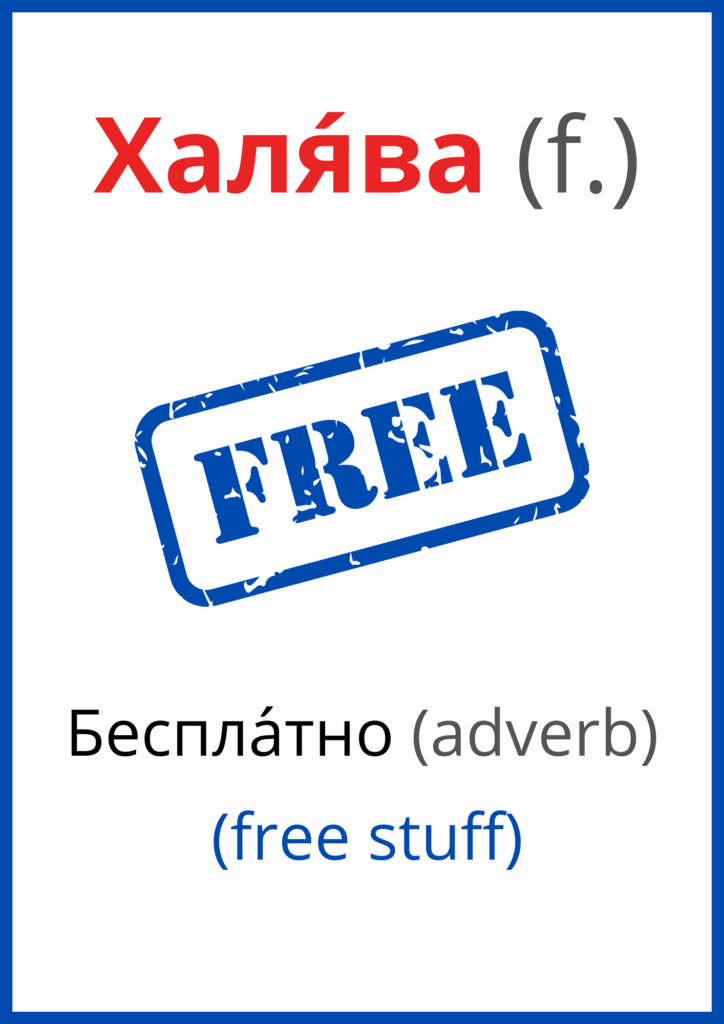
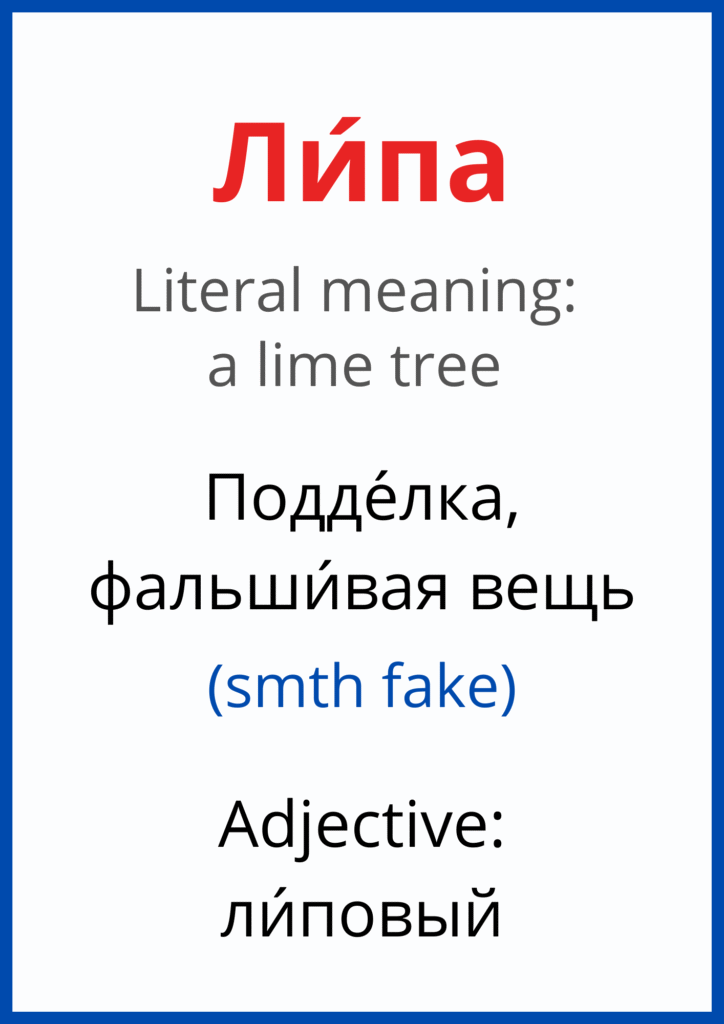
- Quality of Things: Something you get for free is a халява, a fake or forged item is a липа, and something that is completely useless, bad, or nonsense is called шняга, отстой, фигня, or хрень.
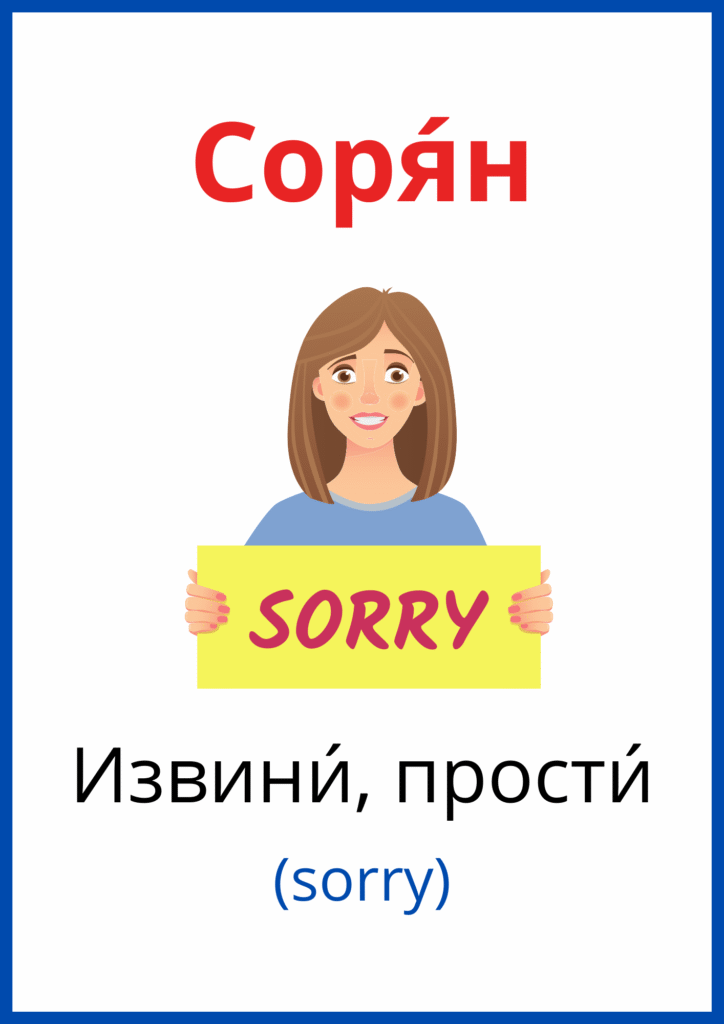
- Communication: A serious conversation or taking responsibility for your words is described as your базар. If you make a mistake and need to apologize casually, you can use the English-borrowed word сорян (sorry).
——————————————————————————–
Russian Internet Slang and Texting
Russian slang is especially common online. In messages, comments and memes, Russians often shorten words or write them in a very informal way.
Here are a few examples:
Ща = сейчас (Now / in a moment)
Example: Ща приду́ (I’ll come in a moment).
Чё = что (What?)
Example: Чё ты де́лаешь? (What are you doing?)
Ничё = ничего (Nothing / it’s okay).
Example: Ничё, всё норма́льно (It’s okay, everything is fine).
Спс = спасибо (Thanks).
Example: Спс за по́мощь! (Thanks for your help!)
These forms are extremely informal. You can use them in messages with friends, but you should avoid them in formal writing. They are useful mainly because you will see them everywhere: in comments, chats, memes, subtitles, and social media posts.
Key Rules of Spoken Russian
By analyzing this slang, we can identify the main rules of informal spoken Russian. Understanding these patterns will help you intuitively grasp new words:
Examples: Ржать means to laugh loudly, but change just one letter and you get жрать, which is a very rude way to say “to eat” (like an animal). The same applies to facial expressions: улыбаться is a polite, positive smile, whereas лыбиться has a negative or mocking connotation.
If you want to understand the stronger side of informal Russian, you can also read my guide to Russian swear words and euphemisms, where I explain which words are useful to recognize — and which ones you definitely shouldn’t use in polite situations.
The Rule of Root Shortening (Truncation). Native speakers always strive to save time and breath. Long, formal words are frequently chopped down to just one or two syllables.
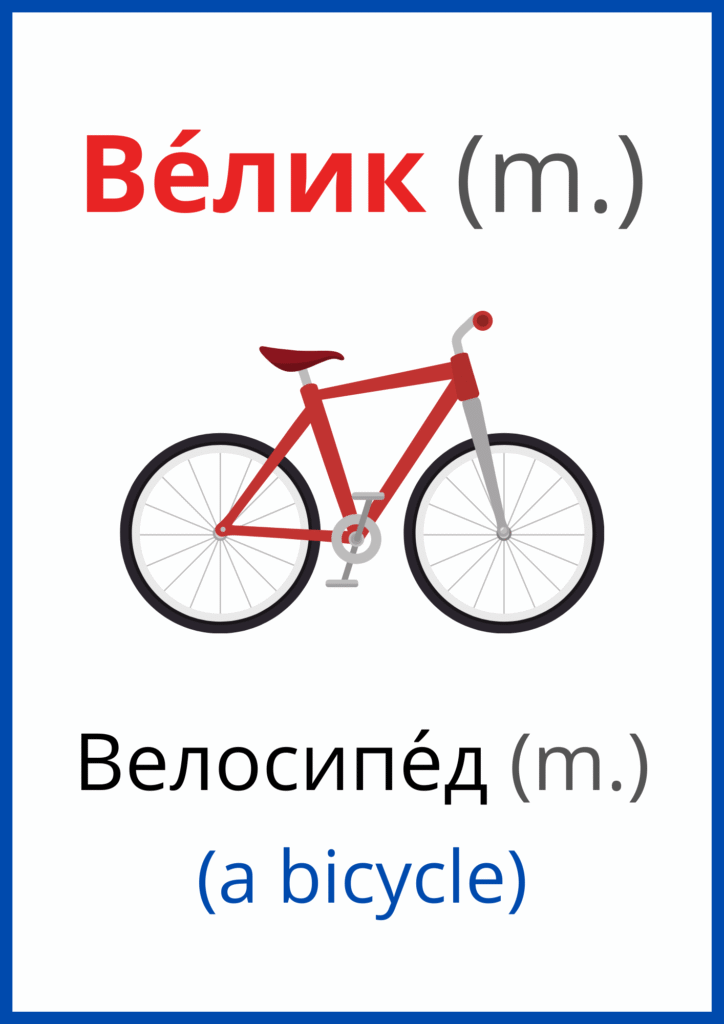
Examples: препод (from преподаватель – teacher), комп (from компьютер – computer), велик (from велосипед – bicycle), инет (from интернет – internet), клава (from клавиатура – keyboard).
The Rule of Emotional Suffixes (Especially “-ух-“). To give a word a friendly, informal, or familiar tone, Russian speakers often attach the suffix “-ух-” to the root.
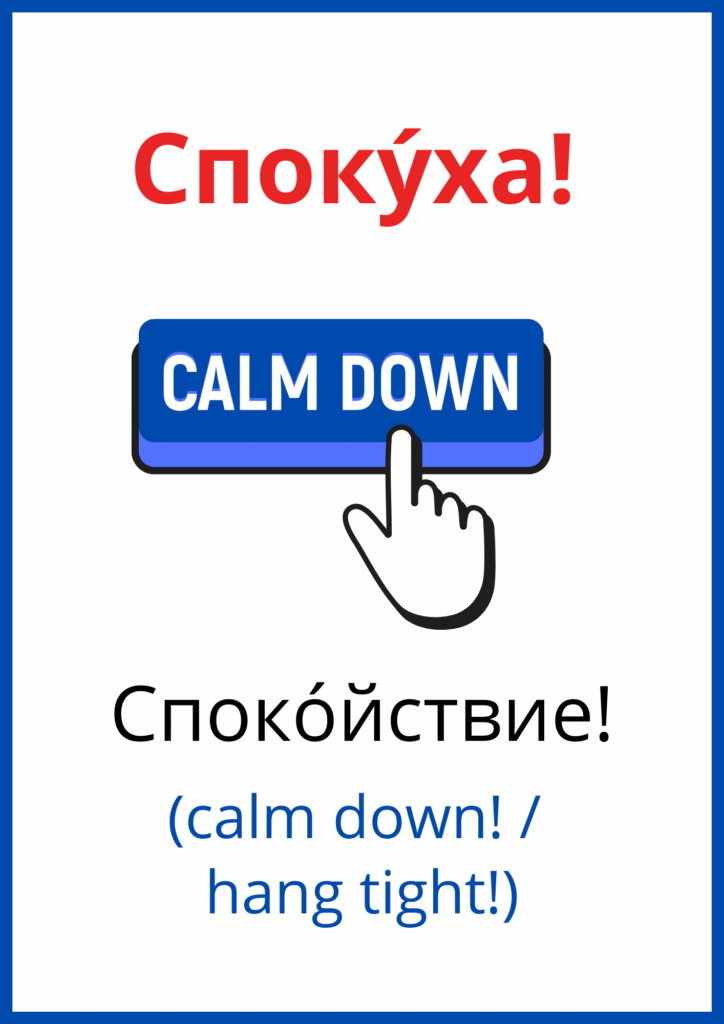
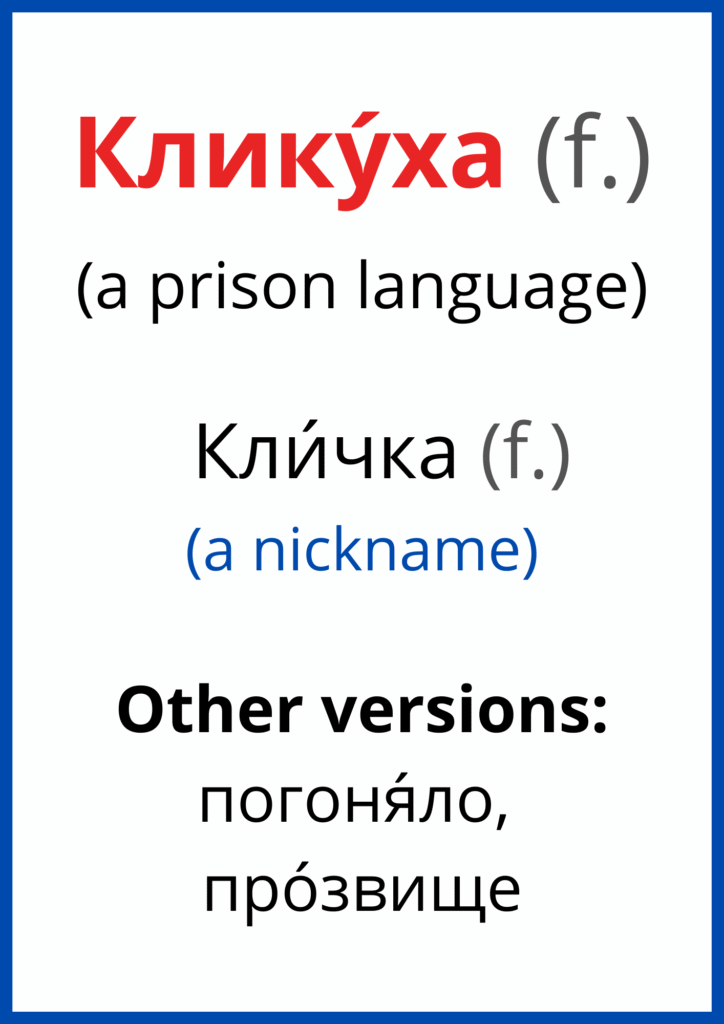
Examples: стипуха (scholarship), спокуха (calm down), кликуха (nickname).
The Rule of Semantic Shifts (Metaphorical Use). Many neutral words acquire entirely new, figurative meanings in slang.
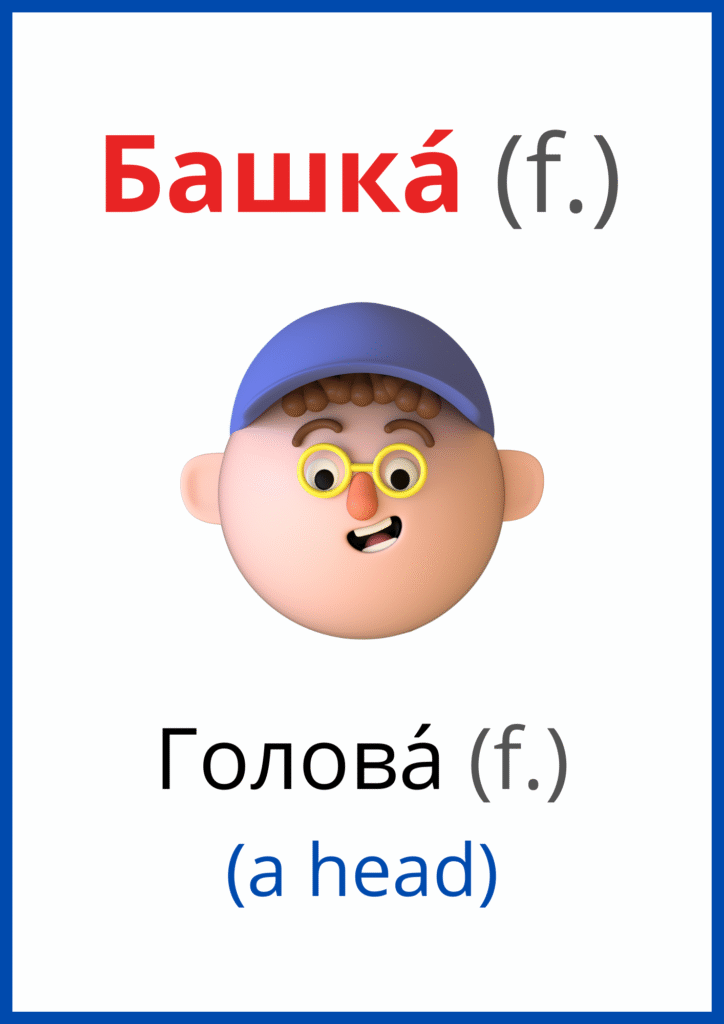
Examples: Башня (tower) or башка are used to mean a person’s head. The word базар (an open market) has evolved into a synonym for “conversation” or answering for one’s promises.
The Rule of Stylistic Contrast in Similar-Sounding Words. Russian contains words that sound almost identical but have completely different stylistic tones or meanings. It is crucial not to confuse them.
Russian Slang vs Russian Swear Words
Not all slang words are swear words. This is an important difference.
Slang words are informal words used in casual speech. For example, та́чка instead of “car”, ба́бки instead of “money”, or чува́к instead of “guy”.
Swear words, on the other hand, can be rude, vulgar or offensive. Some Russian swear words are extremely strong, and you should not use them unless you fully understand the context and the emotional effect. If you want to understand the difference between informal slang and real Russian profanity, read my guide to Russian swear words and mat.
There is also a middle category: words that are not real swear words but still sound rough or impolite. For example, фи́гня, блин, нафи́г, or дура́цкий are not the strongest words, but they are still informal and emotional.
So when learning Russian slang, do not just memorize the translation. Try to understand the tone:
Is this word friendly?
Is it rude?
Is it funny?
Is it old-fashioned?
Can I say it to a teacher, a boss, or a stranger?
Would I only use it with friends?
This will help you sound natural without sounding impolite. And if you want to balance your informal vocabulary with polite expressions, check my guide to polite Russian words and phrases.
Want more lessons like this? Explore my Russian learning resources.
You can also browse my free Russian video lessons.
If you have recently started to learn Russian language, you should absolutely have my free guide ‘Essential Russian Words and Expressions to Understand Spoken Russian’.
It’s also very important to know how to pronounce Russian words correctly as not every Russian letter is pronounced the same way as it’s written. There are certain Russian pronunciation rules that are really easy to learn.
If you wish to speak Russian, you should absolutely learn how to use Russian cases. Check the most comprehensive guides to Russian cases:

FAQ
Do Russian people use slang a lot?
Yes, Russian speakers use slang very often, especially with friends, family, classmates, colleagues they know well, and online. You will hear slang in Russian movies, YouTube videos, comments, memes and casual conversations.
Is Russian slang difficult to learn?
Russian slang can be tricky because many words depend on context, tone and age group. Some slang words are friendly and common, while others can sound rude, outdated or too informal. The best way to learn Russian slang is to see it in real examples instead of memorizing isolated words.
Should beginners learn Russian slang?
Beginners do not need to use a lot of slang, but it is useful to recognize common words. If you understand basic slang like круто́, прико́л, фи́гня, чува́к or ба́бки, real Russian conversations will become much easier to follow.
Can I use Russian slang in formal situations?
No, it is better to avoid slang in formal situations, such as job interviews, business emails, exams, official documents or conversations with people you do not know well. Slang is mostly for informal speech with friends or in relaxed online communication.
What are the most common Russian slang words?
Some common Russian slang words are круто́ “cool”, прико́л “funny thing / joke”, чува́к “dude”, ба́бки “money”, фи́гня “nonsense / rubbish”, кайф “pleasure / great feeling”, and жесть “something shocking or intense”.
Is Russian internet slang different from spoken slang?
Yes, internet slang often includes shortened forms, such as ща instead of сейча́с, чё instead of что, спс instead of спаси́бо, or норм instead of норма́льно. These forms are very informal and are mostly used in chats, comments and memes.
How can I learn Russian slang naturally?
The best way to learn Russian slang is to listen to real Russian: movies, TV shows, podcasts, YouTube videos, songs and conversations between native speakers. Pay attention not only to the translation, but also to the situation, emotion and relationship between speakers.