
Encouraging someone in Russian is not only about saying “You can do it.” Depending on the situation, you may want to comfort someone, motivate them to keep going, tell them not to give up, or simply show that you believe in them.
Russian has many warm and expressive phrases for this. Some are soft and comforting, like Всё бу́дет хорошо́ — “Everything will be alright.” Others are more motivational, like Ты смо́жешь — “You can do it,” or Не сдава́йся — “Don’t give up.”
These Russian phrases are useful when you want to motivate someone to do something in Russian. This is a free Russian lesson for Elementary students. I recommend you to watch a video first and then you can read a short summary below.
Table of Contents
Free Russian lesson “How to encourage and cheer up someone in Russian”
The main phrases to encourage and cheer up in Russian
Всё бу́дет хорошó – Everything be be alright
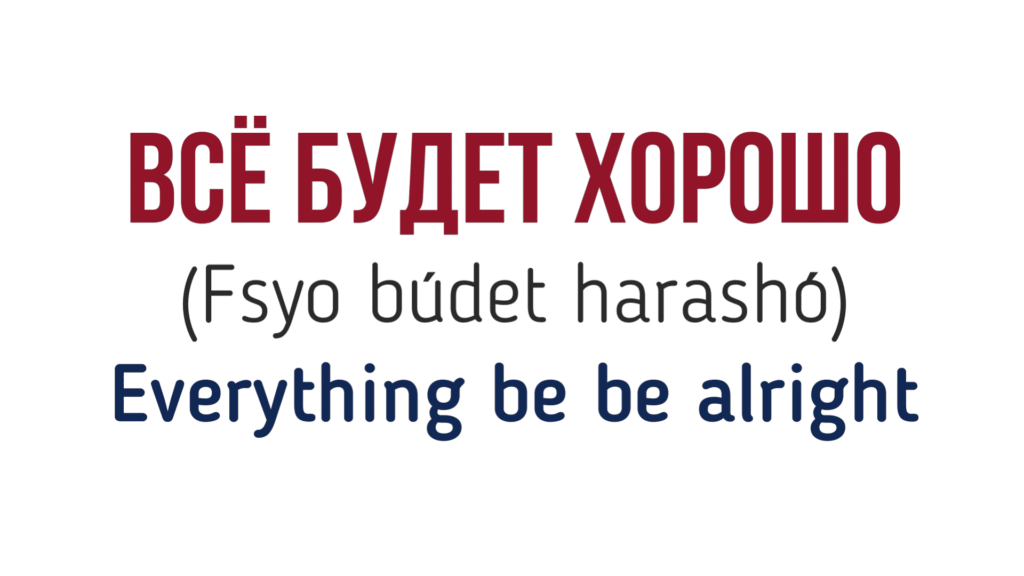
Всё бу́дет хорошó (Fsyo búdet harashó) – Everything be be alright
“Всё будет хорошо” is an impersonal, nice and common way to cheer up a person or a group of people in Russian. It can be used in different situations, when somebody is in trouble, in doubts, is afraid of something that might happen. It is both formal and informal. This phrase is used to assure a person or people that they should not worry about something.
Ты смóжешь! (ty smózhesh) You can do it!
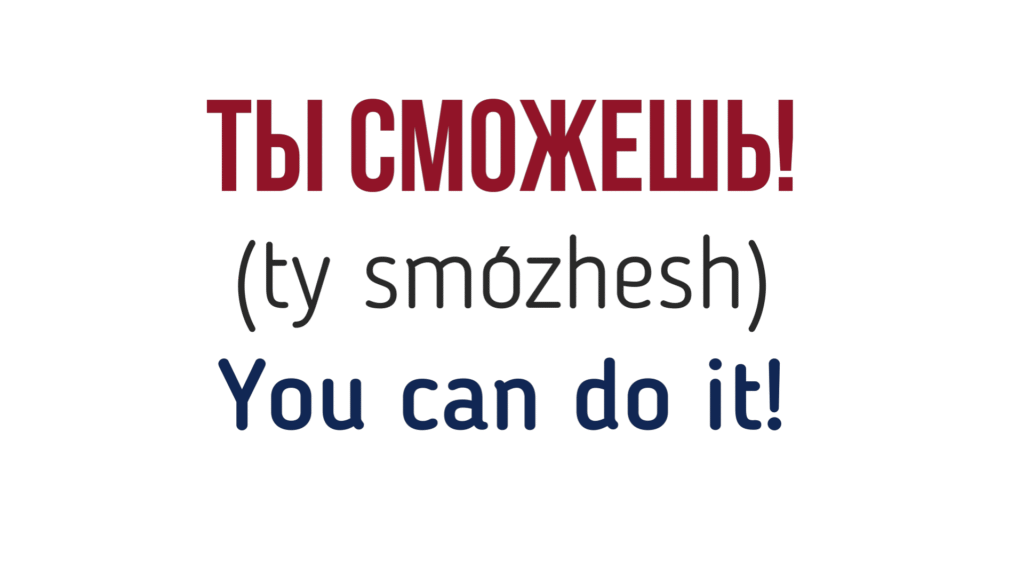
Ты смóжешь! (ty smózhesh) You can do it!
“Ты сможешь” implies that a person is capable of doing something physically and mentally. It is an informal future form of the verb МОЧЬ (can, be able to). Ex.: Ты сможешь выучить русский язык (You will be able to learn Russian language).
У тебя́ всё полу́чится – You will do great
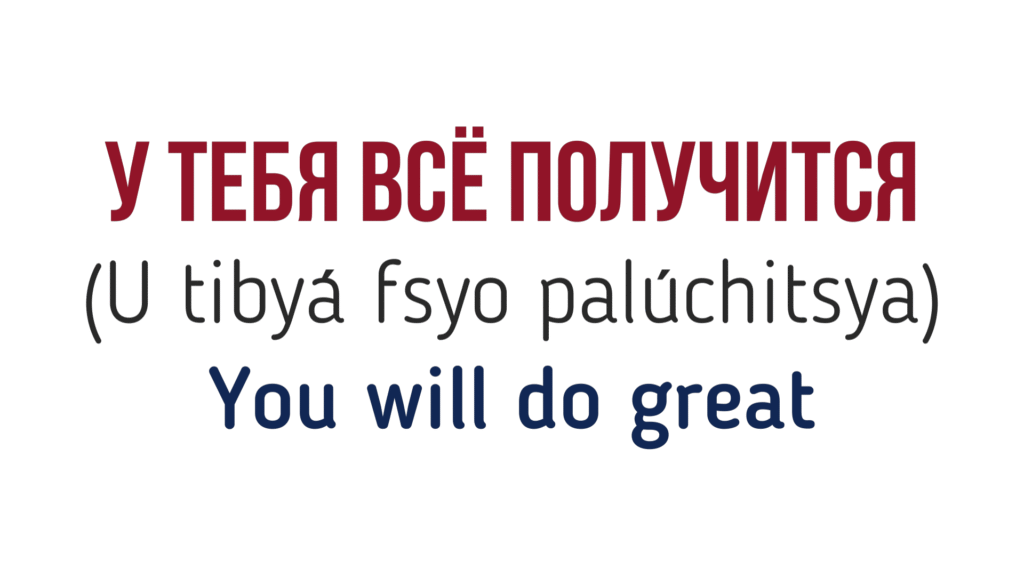
У тебя́ всё полу́чится (U tibyá fsyo palúchitsya) – You will do great
У тебя́ всё полу́чится or У тебя́ полу́чится
Formal / Plural form is “У вас всё полу́чится” (u vas fsyo paluchitsya)
Держи́сь – Hang tight
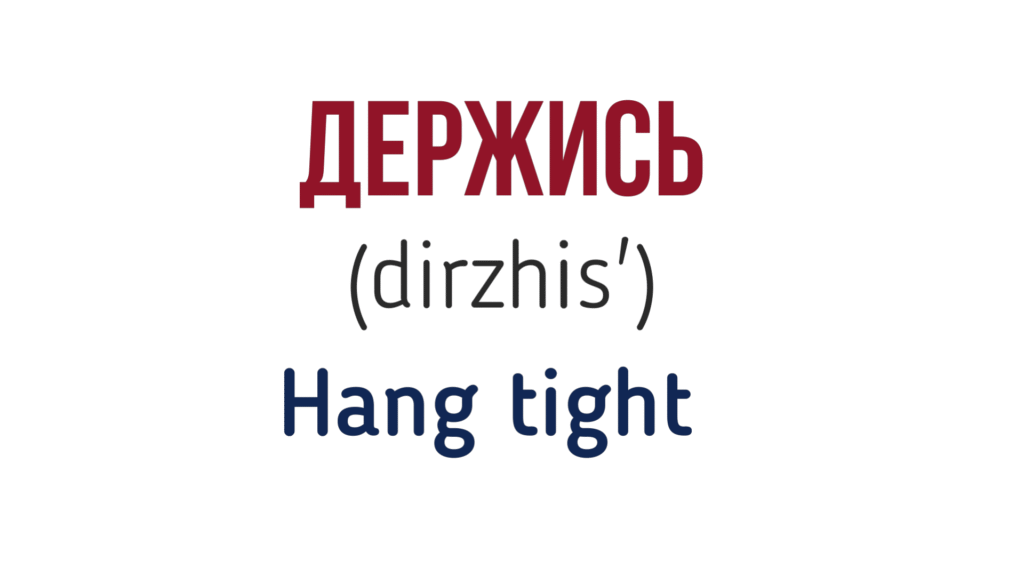
Держи́сь (dirzhis’) – Hang tight
“Держи́сь”is a way to encourage someone to be strong and fight for smth (illness, competition, trouble).
Formal / Plural form – Держи́тесь (dirzhites’)
Так держáть – Keep it up
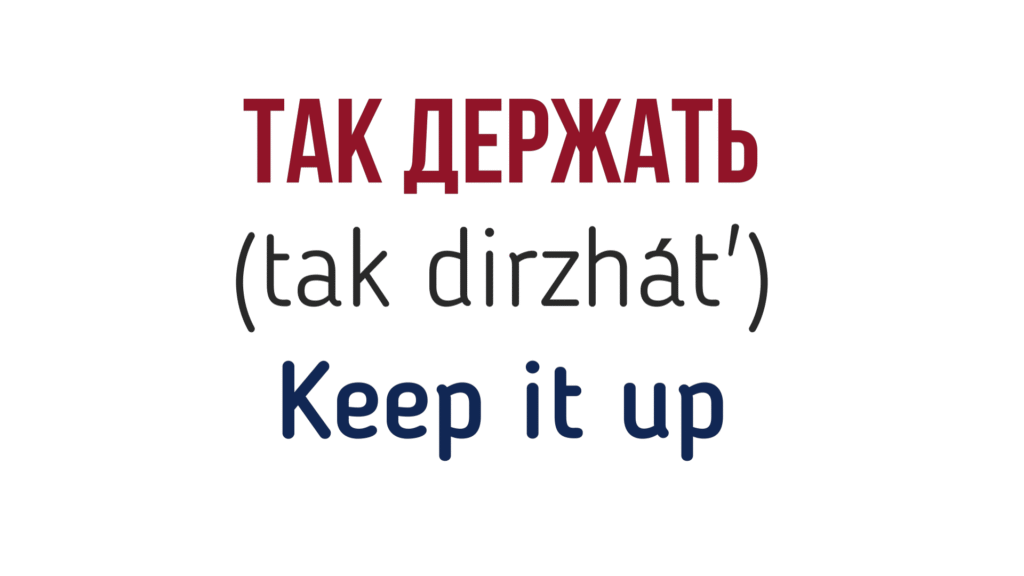
Так держáть (tak dirzhát’) – Keep it up
It is an impersonal way to praise somebody for what they are doing and to wish to continue the same way and not to give up.
“Держáть” means to hold. This expression comes from sailors (an order to the helmsman to keep the ship on course).
Продолжа́й в том же ду́хе – Keep it going
Продолжа́й в том же ду́хе (pradalzhái f tom zhe dúhe) – Keep it going (informal)
Продолжа́йте в том же ду́хе (pradalzháite f tom zhe dúhe) – Keep it going (plural / formal)
Не сдава́йся – Don’t give up
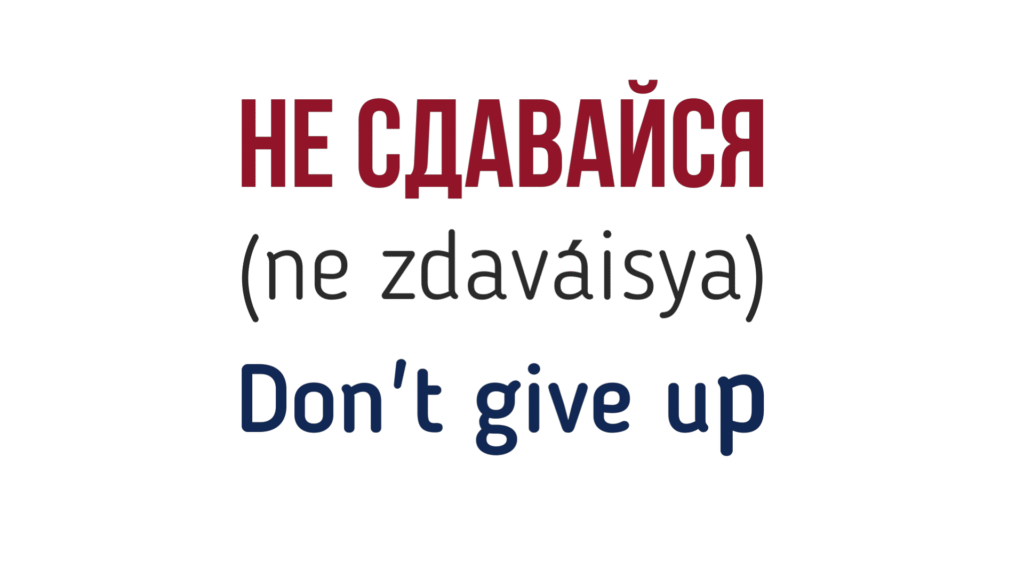
Не сдава́йся (ne zdaváisya) – Don’t give up
It is a way to boost someone’s morale when you see that a person wants to give up.
Infinitive form – сдава́ться (to give up). Ex.: Нельзя сдава́ться (impersonal)
Formal / Plural form – Не сдава́йтесь (ne zdavaites’)
Не отча́ивайся – Don’t despair.
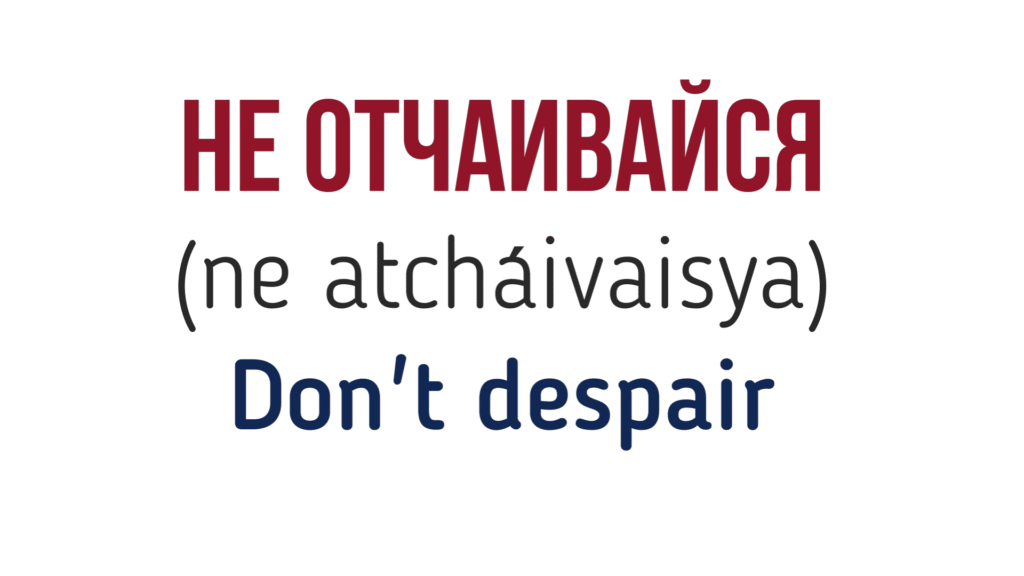
Не отча́ивайся (ne atchа́ivaisya) – Don’t despair.
Infinitive form – отча́иваться (to be in despair). Ex.: Нельзя́ отча́иваться (impersonal).
Formal / Plural form – Не отча́ивайтесь (ne atcháivaites’).
Не ве́шай нос – Keep your chin up
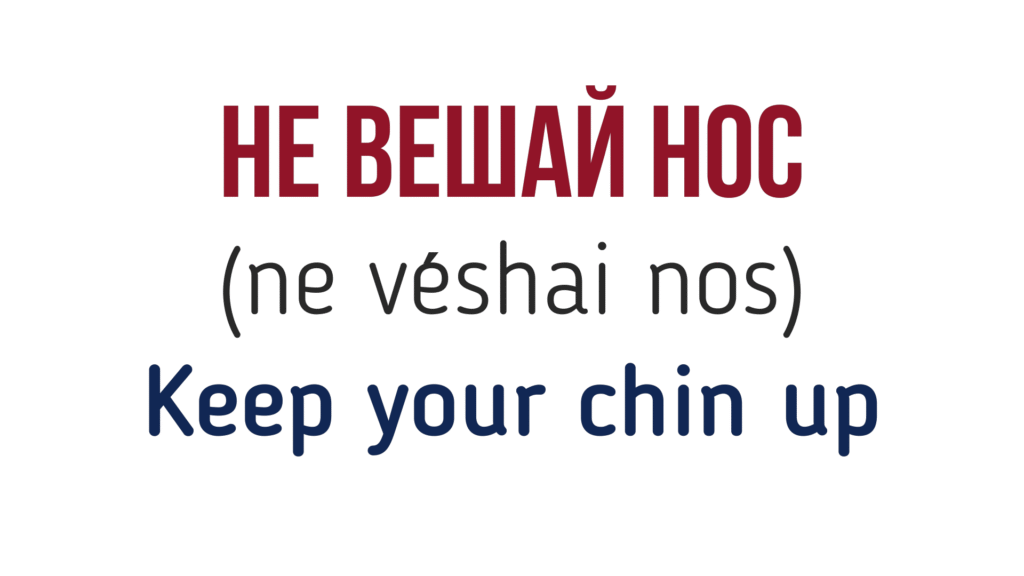
Не ве́шай нос (ne véshai nos) – Keep your chin up
This expression comes from the world of music.
Formal / Plural form – Не ве́шайте нос (ne véshaite nos)
Не па́дай ду́хом – Don’t lose your courage (spirit)
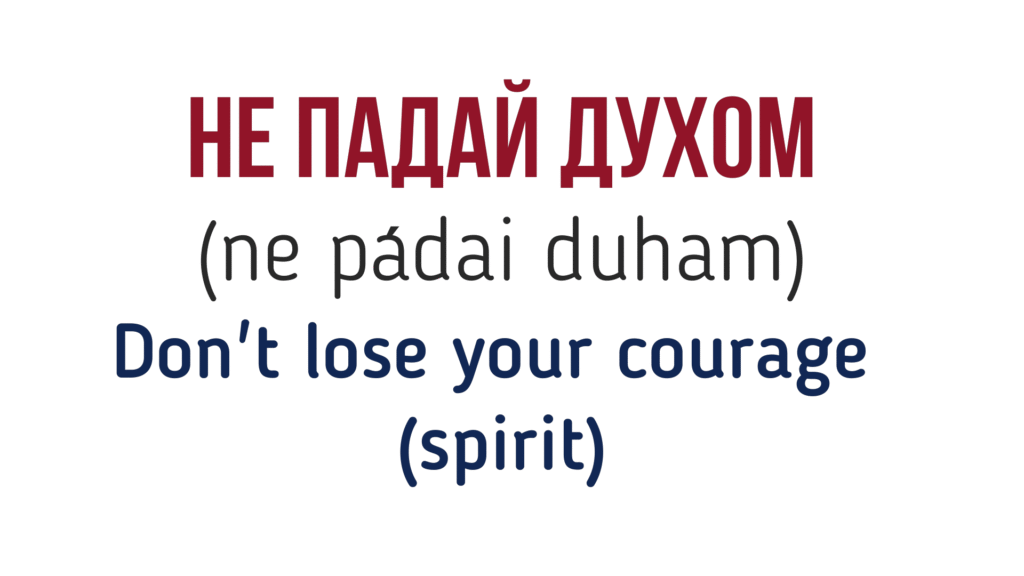
Не па́дай ду́хом (ne pádai duham) – Don’t lose your courage (spirit)
Direct translation: don’t fall by the spirit
Formal / Plural form – Не па́дайТЕ ду́хом (ne padaite duham)
Common Mistakes When Wishing Good Luck in Russian
1. Translating “break a leg” literally
Do not translate “break a leg” word for word into Russian. The natural Russian equivalent is Ни пу́ха ни пера́.
2. Forgetting the traditional reply
If someone says Ни пу́ха ни пера́, the traditional answer is К чёрту. You do not usually answer Спаси́бо to this phrase.
3. Using тебе instead of вам in formal situations
Use тебе with people you know well and вам in formal or polite situations.
Жела́ю тебе́ уда́чи.
I wish you good luck. — informal
Жела́ю вам уда́чи.
I wish you good luck. — formal
4. Overusing удача in every context
Уда́чи is very useful, but sometimes успе́ха sounds more natural, especially in work, business, and formal contexts.
5. Confusing удача and успех
Уда́ча means luck. Успе́х means success. They are close, but not always the same. If you want to wish someone a good result based on their work or talent, успе́х may sound better.
Summary of phrases to praise someone in Russian you can find in another blog post – “How to praise someone in Russian”.
Summary of phrases to wish someone good luck in Russian you can find in another blog post – “How to wish someone good luck in Russian”.
Summary of phrases to wish something nice in Russian are available in another blog post – “Good wishes in Russian”.
If you have recently started to learn Russian language, you should absolutely have my free guide ‘Essential Russian Words and Expressions to Understand Spoken Russian’.
It’s also very important to know how to pronounce Russian words correctly as not every Russian letter is pronounced the same way as it’s written. There are certain Russian pronunciation rules that are really easy to learn.
If you wish to speak Russian, you should absolutely learn how to use Russian cases. Check the most comprehensive guides to Russian cases: